Why You Feel Stuck, Exhausted, and Always ‘On Edge’
If you are living with a constant baseline of overwhelm, anxiety, or emotional exhaustion, it is incredibly easy to fall into a pattern of self-criticism. You might find yourself wondering why daily tasks feel uniquely difficult or why you can't seem to "catch up."
When chronic exhaustion sets in, we tend to view it as a personal flaw or a lack of discipline. In reality, it is usually a sign that your nervous system is stuck in survival mode.
Operating this way is incredibly common, and many people do it for years without realizing it. It isn't a character defect; it is a physiological response to sustained pressure.
What Is Survival Mode?
To understand survival mode, we have to look at the mechanics of the nervous system. Your body is equipped with an evolutionary survival mechanism designed to protect you from immediate danger. When you encounter a stressor, your sympathetic nervous system activates, releasing hormones like cortisol and adrenaline. This triggers a trauma response—commonly categorized as fight, flight, freeze, or fawn.
In acute situations, this response is essential. It optimizes your focus and physical capabilities to handle an immediate threat.
The challenge is that your nervous system does not differentiate between immediate physical danger and prolonged psychological stress. A toxic work environment, long-term financial strain, a difficult relationship, or unhealed trauma all trigger the exact same biological response. When these stressors remain constant, your body never receives the signal to return to baseline. Survival mode is simply what happens when a temporary emergency response becomes your chronic state of being.
Common Signs of a Sustained Stress Response
Because survival mode accumulates gradually, it can easily become your baseline. Here are the practical signs that your nervous system is overloaded:
You feel physically exhausted but mentally wired. Even when you are safe and have the opportunity to rest, your mind continues to scan for potential problems, disrupting your sleep.
When survival is the priority, the brain redirects energy away from the prefrontal cortex—the area responsible for concentration, short-term memory, and complex decision-making. If you are struggling with focus or forgetfulness, your brain is simply rationing its resources.
Your capacity to tolerate minor inconveniences decreases significantly. Small changes in plans or minor disruptions feel high-stakes because your emotional bandwidth is already fully occupied.
Making basic daily choices—like deciding what to wear or what to eat—feels paralyzing.
When the nervous system is completely overwhelmed and cannot fight or flee, it enters a freeze state. This often manifests as feeling detached from your body, your emotions, or your surroundings, leaving you operating entirely on autopilot.
The Roots of Chronic Stress
Survival mode is an intelligent, adaptive strategy. It develops over time in response to prolonged pressure, chronic stress, or unhealed trauma.
Physiologically, our bodies are built to experience stress, navigate the threat, and return to a state of rest. However, modern environments frequently deny us the recovery period required for nervous system regulation.
Whether you are navigating systemic pressures, managing an unsustainable workload, or processing early childhood trauma where environments were unpredictable, your nervous system learned that keeping its guard down was unsafe. This state is not a choice or a weakness; it is a physiological adaptation that helped you endure difficult circumstances. But while it is highly effective for short-term, it causes significant physical and emotional burnout over time.
Shifting from Survival to Regulation
If you recognize these patterns in your life, the first step is understanding that your body has been doing exactly what it was designed to do: protect you. You cannot judge or force a stressed nervous system into relaxation. Healing requires systematically teaching your body that it is safe to relax.
This is where professional therapy support becomes a valuable tool.
Therapy provides a structured, objective space to identify the root causes of your chronic stress response. Working with a clinician allows you to safely process past stressors, learn somatic tools to regulate your nervous system, and establish practical boundaries to manage daily pressure.
If you are tired of operating on autopilot and want to move toward sustainable balance, consider prioritizing your recovery. I invite you to explore therapy support to begin the process of uncoupling from chronic stress and reclaiming your emotional bandwidth.
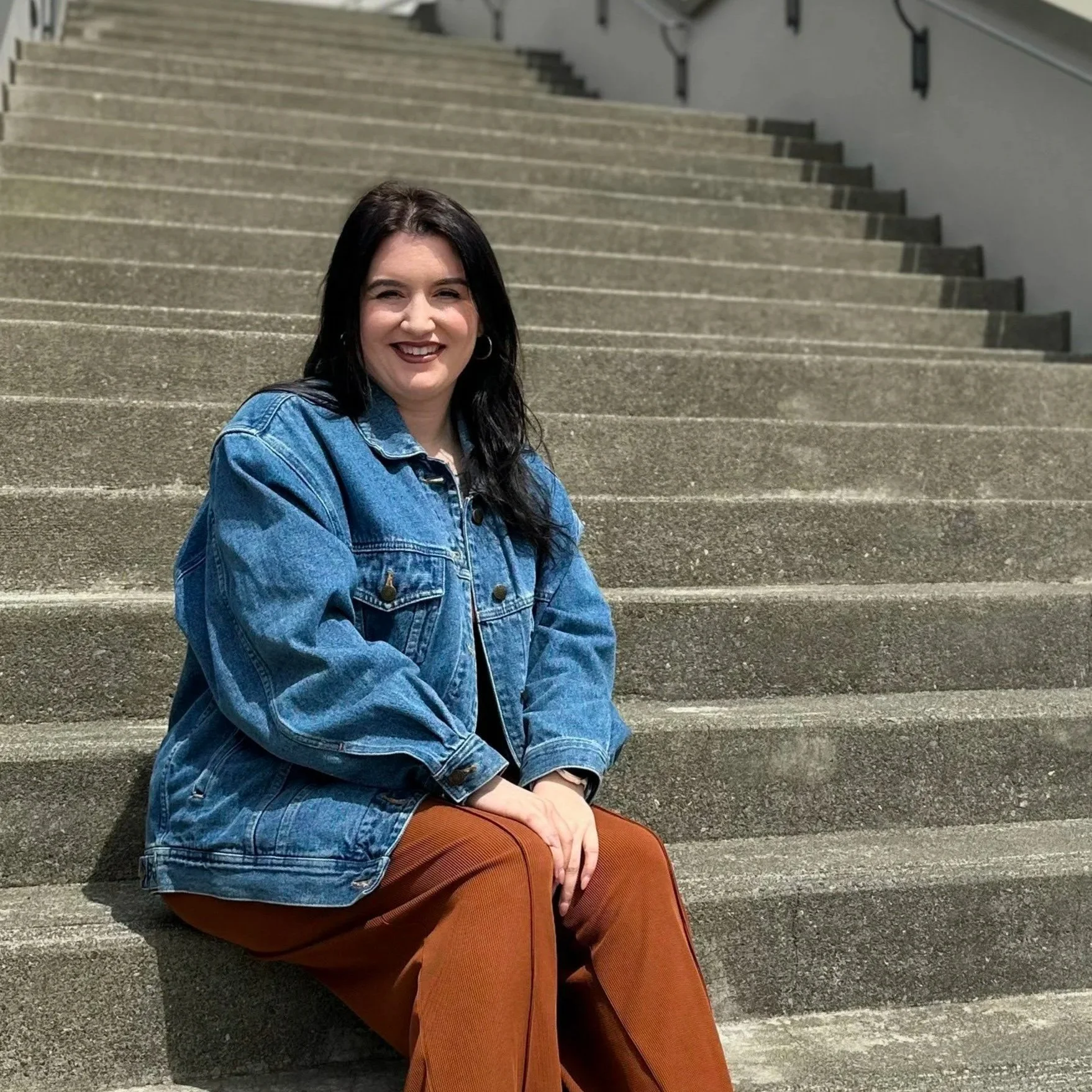
Anxiety Therapist Tacoma Washington
Kayla Hernandez, LMHC is a licensed therapist with over five years of experience supporting clients in Washington State. She specializes in anxiety and trauma, using evidence-based approaches to help adults break cycles of self-doubt and people-pleasing so they can finally find peace. At Forward Flow Therapy, she provides expert care both online and in-person for clients across Washington State.
